El Niño Is More Than a Weather Event: How It Could Affect Your Health
When most people hear the term El Niño, they think about heavy rains, flooding, droughts, and changing weather patterns. While these environmental impacts often make headlines, there is another important consequence that receives far less attention: the effect El Niño can have on human health.
From increased infectious diseases to mental health challenges and disruptions to healthcare services, El Niño can create serious public health risks for millions of people worldwide.
As meteorologists and climate experts continue to monitor changing weather patterns, understanding how El Niño can affect your health is more important than ever.
What Is El Niño?
El Niño is a naturally occurring climate phenomenon that happens when surface temperatures in parts of the Pacific Ocean become warmer than usual.
Although it begins thousands of kilometers away from many affected regions, El Niño influences weather systems across the globe, causing:
-
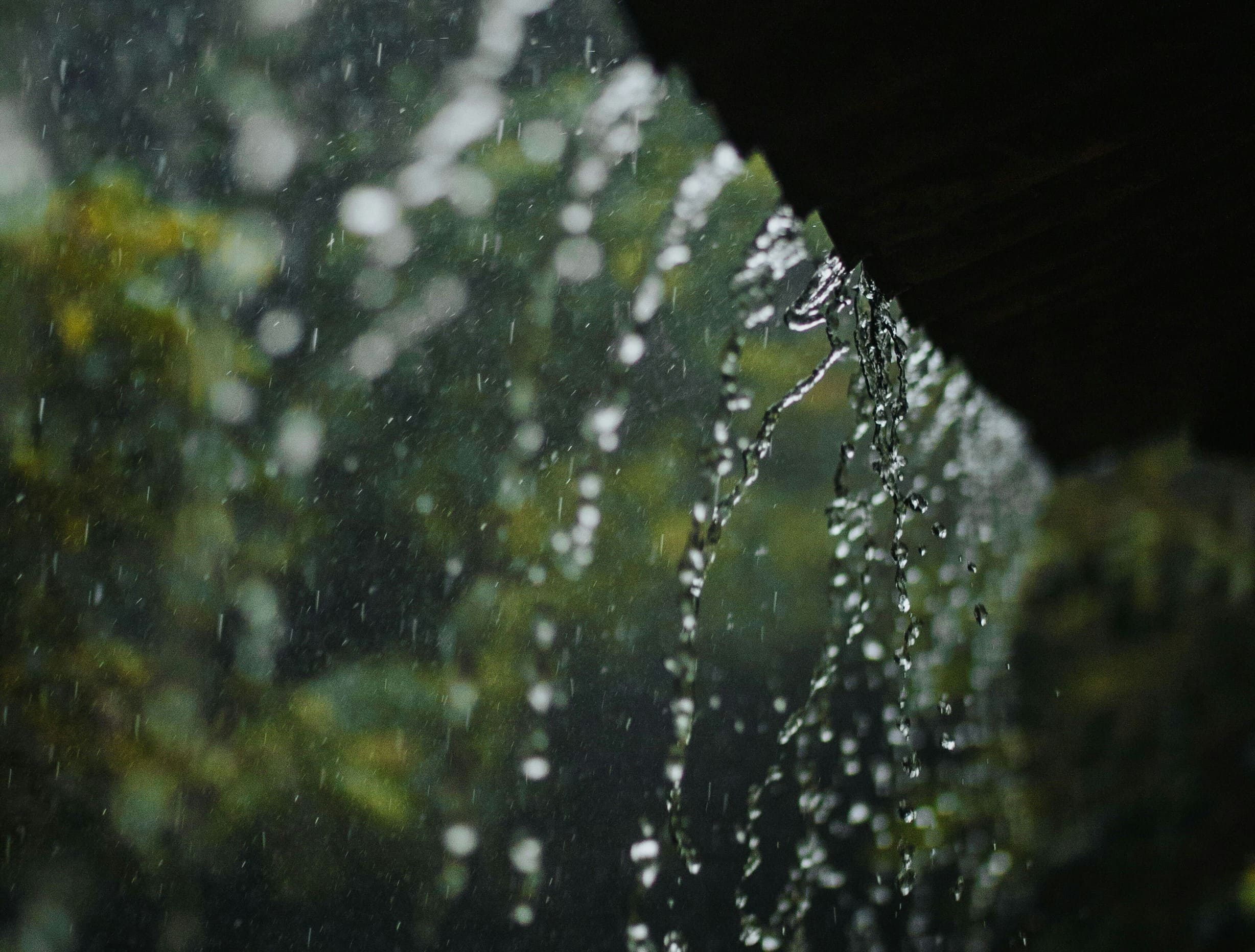
Increased rainfall and flooding in some areas
-
Droughts and water shortages in others
-
Higher temperatures
-
Storms and extreme weather events
-
Changes in agricultural conditions
These environmental changes can have significant consequences for public health.
How El Niño Can Affect Your Health
1. Increased Risk of Waterborne Diseases
Heavy rainfall and flooding can contaminate water sources with bacteria, viruses, and other harmful pathogens.
This can lead to outbreaks of diseases such as:
-
Cholera
-
Typhoid fever
-
Dysentery
-
Diarrheal illnesses
-
Hepatitis A
Floodwaters often overwhelm sanitation systems, making clean drinking water difficult to access in affected communities.
Children, older adults, and people with weakened immune systems are particularly vulnerable.
2. More Mosquito-Borne Diseases
Warm temperatures and standing water create ideal breeding conditions for mosquitoes.
As mosquito populations increase, so does the risk of diseases such as:
-
Malaria
-
Dengue fever
-
Chikungunya
-
Yellow fever
-
Zika virus
Many African, Asian, and Latin American countries may experience increased mosquito activity during El Niño-related weather changes.
Preventive measures such as using mosquito nets, eliminating standing water, and applying insect repellent become even more important during these periods.
3. Heat-Related Illnesses
In some regions, El Niño contributes to prolonged periods of extreme heat.
Excessive heat can increase the risk of:
-
Heat exhaustion
-
Heat stroke
-
Dehydration
-
Fatigue
-
Cardiovascular complications
People working outdoors, children, older adults, and individuals with chronic medical conditions face the highest risk.
Staying hydrated and avoiding excessive exposure to high temperatures can help reduce health complications.
4. Respiratory Problems
Drought conditions associated with El Niño can increase dust levels and worsen air quality.
Additionally, dry conditions may contribute to wildfires, releasing smoke and pollutants into the atmosphere.
Poor air quality can aggravate:
-
Asthma
-
Allergies
-
Chronic obstructive pulmonary disease (COPD)
-
Other respiratory conditions
People with existing lung conditions should monitor air quality reports and take precautions during periods of poor air quality.
5. Food Insecurity and Malnutrition
Extreme weather can damage crops, reduce agricultural productivity, and disrupt food supply chains.
In regions heavily dependent on farming, this can result in:
-
Reduced food availability
-
Higher food prices
-
Nutritional deficiencies
-
Increased rates of malnutrition
Children and vulnerable populations are often most affected when access to nutritious food becomes limited.
6. Mental Health Challenges
Natural disasters and prolonged climate-related stress can take a significant toll on mental health.
People affected by floods, displacement, property loss, crop failure, or financial uncertainty may experience:
-
Anxiety
-
Stress
-
Depression
-
Sleep disturbances
-
Emotional exhaustion
The psychological effects of climate events are often overlooked but can have lasting impacts on individuals and communities.
Seeking support from healthcare professionals, family, and community networks is essential during difficult periods.
7. Disruptions to Healthcare Services
Severe weather events can damage healthcare infrastructure and make medical care more difficult to access.
Flooded roads, damaged facilities, and overwhelmed healthcare systems may delay:
-
Routine medical appointments
-
Emergency care
-
Medication access
-
Vaccination programs
Individuals with chronic illnesses may face additional challenges if healthcare services become temporarily unavailable.
Preparing in advance and maintaining adequate supplies of essential medications can help reduce risk.
Who Is Most Vulnerable?
While El Niño can affect anyone, certain groups face greater health risks, including:
-
Children
-
Older adults
-
Pregnant women
-
Individuals with chronic illnesses
-
People living in flood-prone areas
-
Communities with limited access to healthcare
-
Low-income households
Protecting vulnerable populations should be a priority during periods of extreme weather.
How to Protect Yourself During El Niño
While we cannot prevent El Niño, we can take steps to reduce its impact on our health.
Stay Informed
Follow updates from meteorological agencies and local authorities regarding weather alerts and public health advisories.
Practice Good Hygiene
Use safe drinking water and maintain proper sanitation practices to reduce the risk of waterborne diseases.
Prevent Mosquito Bites
Use insect repellents, mosquito nets, and protective clothing, especially in areas where mosquito-borne diseases are common.
Stay Hydrated
Drink plenty of water during hot weather and avoid prolonged exposure to extreme heat.
Prepare an Emergency Health Kit
Keep essential medications, first-aid supplies, clean water, and emergency contact information readily available.
Prioritize Mental Well-Being
Stress and uncertainty can affect emotional health. Stay connected with loved ones and seek professional support if needed.
Climate Change and Future Health Risks
While El Niño is a natural climate pattern, scientists are increasingly studying how climate change may influence the intensity and impact of extreme weather events.
As communities worldwide face growing environmental challenges, strengthening healthcare systems, improving preparedness, and promoting public health awareness will become increasingly important.
Final Thoughts
El Niño is far more than a weather event. Its effects can ripple through communities, impacting physical health, mental well-being, food security, and healthcare access.
By understanding the potential health risks and taking proactive measures, individuals and communities can better protect themselves during periods of extreme weather.
At Wendo Health, we believe that health awareness is one of the most powerful tools for prevention. Staying informed, prepared, and connected to trusted healthcare providers can make all the difference when facing climate-related health challenges.
Because protecting your health starts long before the storm arrives.