The Importance of Regular Health Checkups: Why Prevention Is Better Than Cure
Many people only visit a healthcare facility when they feel sick or experience concerning symptoms. While seeking treatment when illness strikes is important, one of the most effective ways to protect your health is through regular health checkups.
Routine medical examinations play a vital role in preventing disease, detecting health issues early, and helping individuals maintain a higher quality of life. Yet, preventive healthcare remains one of the most overlooked aspects of personal wellness.
In this article, we'll explore why regular health checkups matter, the benefits they offer, and how making preventive care a priority can help you live a healthier, longer life.
What Is a Regular Health Checkup?
A regular health checkup is a preventive medical assessment conducted by a healthcare professional to evaluate your overall health status.
Depending on your age, medical history, lifestyle, and risk factors, a checkup may include:
-
Physical examinations
-
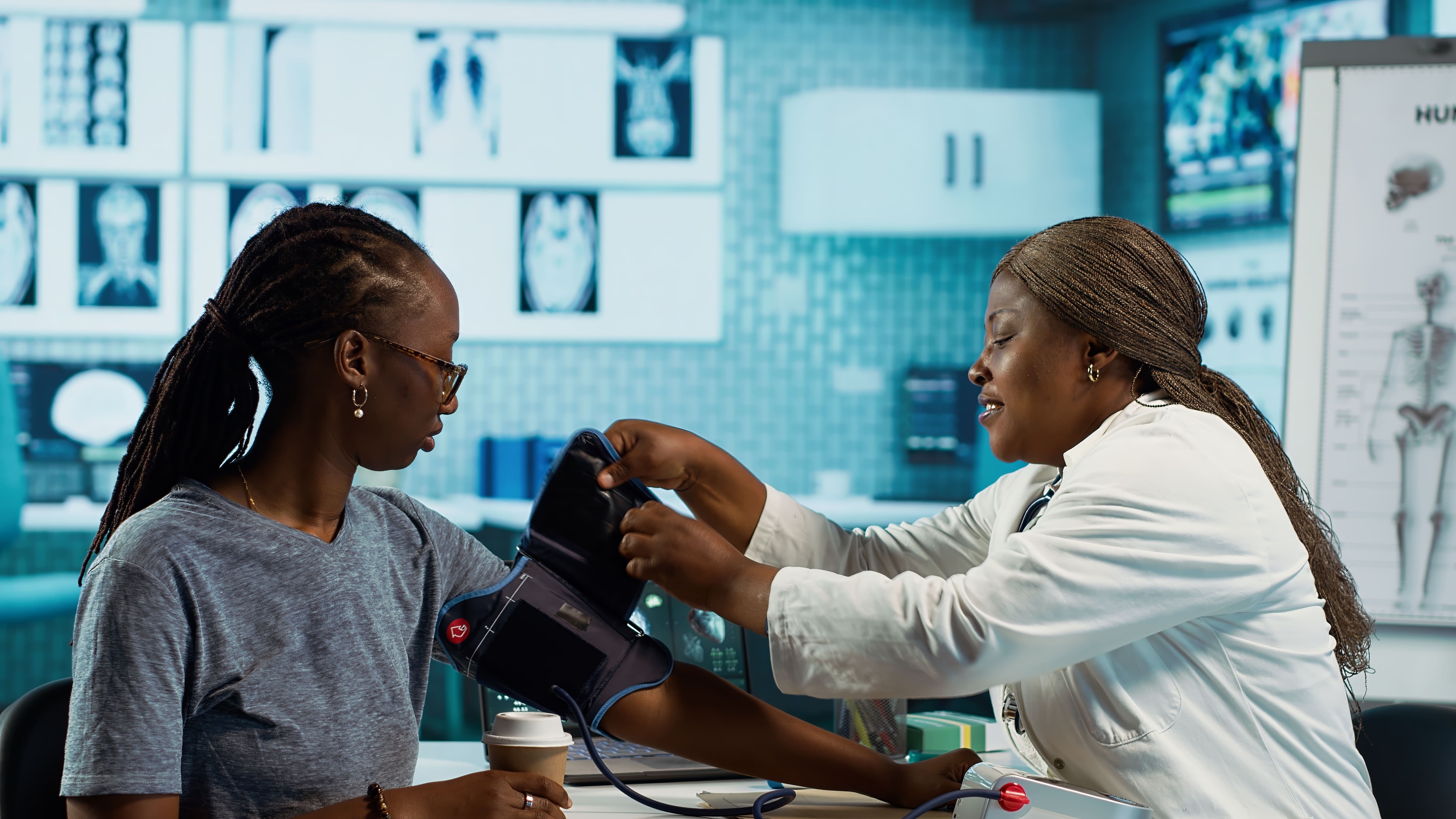
Blood pressure screening
-
Blood sugar testing
-
Cholesterol checks
-
Cancer screenings
-
Vision and hearing assessments
-
Mental health evaluations
-
Lifestyle and wellness consultations
These assessments help identify potential health concerns before they develop into serious medical conditions.
Early Detection Saves Lives
One of the greatest benefits of routine health screenings is the early detection of diseases.
Many serious health conditions develop silently without noticeable symptoms during their early stages. Conditions such as:
-
High blood pressure
-
Diabetes
-
Heart disease
-
Certain cancers
-
Kidney disease
-
High cholesterol
can progress for years before symptoms become apparent.
When detected early, these conditions are often easier to manage, less costly to treat, and associated with better health outcomes.
A simple checkup today could prevent a major health crisis tomorrow.
Prevention Is More Effective Than Treatment
Preventive healthcare focuses on stopping diseases before they occur or progress.
Regular medical checkups allow healthcare professionals to identify risk factors and recommend lifestyle changes that can reduce your chances of developing chronic illnesses.
Your doctor may advise:
-
Improved nutrition
-
Increased physical activity
-
Smoking cessation
-
Weight management
-
Stress reduction strategies
-
Vaccinations and preventive screenings
These proactive measures can significantly improve long-term health and well-being.
Managing Existing Health Conditions
For individuals living with chronic conditions such as diabetes, hypertension, asthma, or heart disease, routine medical reviews are essential.
Regular monitoring helps healthcare providers:
-
Track disease progression
-
Adjust medications when necessary
-
Prevent complications
-
Evaluate treatment effectiveness
-
Provide ongoing support and education
Consistent follow-up care can help patients maintain better control over their health and improve their quality of life.
Building a Relationship with Your Healthcare Provider
Regular checkups help establish trust and continuity of care between patients and healthcare professionals.
When your healthcare provider understands your medical history, lifestyle, and health goals, they can offer more personalized and effective care.
Strong patient-provider relationships often lead to:
-
Better communication
-
Improved treatment adherence
-
Faster diagnosis
-
Greater patient satisfaction
Healthcare becomes more effective when it is built on trust and familiarity.
Mental Health Matters Too
Health checkups aren't only about physical health.
Mental health is an equally important component of overall wellness. Routine consultations provide opportunities to discuss concerns such as:
-
Stress
-
Anxiety
-
Depression
-
Burnout
-
Sleep difficulties
Early intervention can prevent mental health challenges from becoming more severe and improve overall well-being.
Taking care of your mind is just as important as taking care of your body.
Health Checkups Can Save You Money
Many people avoid preventive healthcare because they worry about the cost.
Ironically, delaying medical evaluations can result in significantly higher healthcare expenses later.
Early diagnosis often means:
-
Less invasive treatments
-
Reduced hospitalizations
-
Lower medication costs
-
Fewer emergency visits
-
Better long-term outcomes
Investing in preventive healthcare today can help you avoid costly medical interventions in the future.
How Often Should You Get a Health Checkup?
There is no one-size-fits-all answer.
The frequency of health checkups depends on factors such as:
-
Age
-
Family medical history
-
Existing health conditions
-
Lifestyle habits
-
Occupational risks
As a general guideline:
-
Adults should consider a routine health assessment at least once a year.
-
Individuals with chronic conditions may require more frequent monitoring.
-
Children and older adults may have specific screening recommendations based on their healthcare needs.
Consult a healthcare professional to determine the schedule that is right for you.
Taking Control of Your Health
Good health doesn't happen by chance—it requires proactive care and informed decisions.
Regular health checkups empower individuals to understand their health status, identify potential risks, and take preventive action before problems arise.
Whether you feel perfectly healthy or have existing medical concerns, scheduling routine medical assessments is one of the smartest investments you can make in your future.
Your Health Is Your Greatest Asset
Life gets busy, and it's easy to postpone healthcare appointments. However, waiting until symptoms appear can mean missing valuable opportunities for early intervention.
Prioritizing regular health checkups allows you to stay informed, stay prepared, and stay healthy.
At Wendo Health, we believe that access to quality healthcare should be simple and convenient. By connecting individuals with trusted healthcare providers, we aim to make preventive care more accessible and empower people to take charge of their health journey.
Remember: the best time to protect your health is before a problem develops.
Don't wait for illness to remind you of the importance of your health. Schedule your next checkup and take a proactive step toward a healthier future.