A Concerning Trend That Demands Action
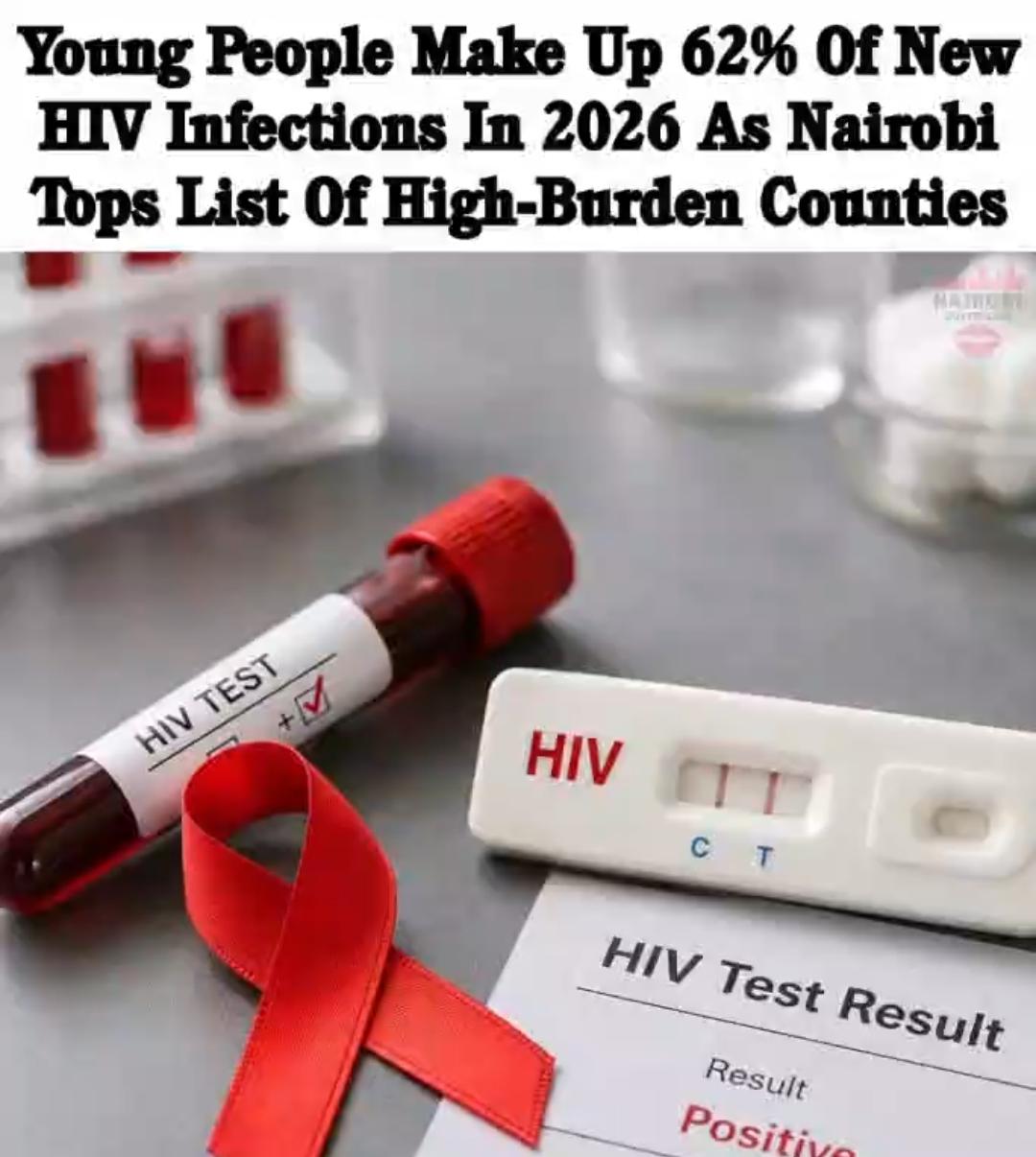
Despite significant progress in the fight against HIV over the past two decades, Kenya continues to face a major public health challenge. Recent data from the National Syndemic Diseases Control Council (NSDCC) indicates that young people account for approximately 62% of new HIV infections in the country, with Nairobi recording the highest number of new infections among all counties.
These statistics are more than just numbers—they represent thousands of lives affected each year and highlight the urgent need for targeted interventions aimed at adolescents and young adults.
As Kenya works toward ending HIV as a public health threat, understanding why young people remain disproportionately affected is essential to building effective solutions.
HIV in Kenya: The Current Picture
Kenya remains one of Africa's success stories in HIV response, having significantly reduced HIV-related deaths and expanded access to treatment over the years. However, new infections continue to occur, particularly among young people.
Key trends from recent reports show:
-
Young people contribute approximately 62% of new HIV infections.
-
Nairobi records the highest number of new HIV infections among Kenyan counties.
-
Young women and adolescent girls remain particularly vulnerable.
-
Many new infections occur among individuals who are either unaware of their HIV status or are not consistently accessing prevention services.
These findings reinforce the importance of prevention, education, testing, and early treatment.
Why Are Young People Most Affected?
Limited Access to Accurate Sexual Health Information
While awareness of HIV is widespread, many young people still lack comprehensive and accurate information about transmission, prevention, and available healthcare services.
Misinformation shared online, cultural taboos surrounding sexual health discussions, and gaps in health education can leave young people vulnerable to risky behaviors.
Low HIV Testing Rates
Many adolescents and young adults avoid testing because of fear, stigma, or concerns about privacy. Without regular testing, individuals may unknowingly transmit the virus or delay accessing life-saving treatment.
Knowing one's HIV status remains one of the most effective tools in preventing new infections.
Stigma Continues to Be a Barrier
Although public understanding of HIV has improved, stigma remains a major obstacle. Fear of discrimination often prevents people from seeking testing, counseling, or treatment.
For many young people, confidentiality and privacy are critical factors when accessing healthcare services.
Inconsistent Use of Prevention Methods
Preventive measures such as condoms and Pre-Exposure Prophylaxis (PrEP) have proven highly effective in reducing HIV transmission. However, awareness, accessibility, and consistent use remain challenges among certain youth populations.
Social and Economic Challenges
Poverty, unemployment, gender inequality, and limited access to healthcare services can increase vulnerability to HIV infection. Young women and girls are particularly affected due to social and economic factors that place them at greater risk.
Why Nairobi Leads in New HIV Infections
As Kenya's economic and social hub, Nairobi attracts millions of residents, students, and workers from across the country.
The county's large population, high mobility, and diverse social interactions contribute to increased transmission risks. At the same time, Nairobi presents a unique opportunity for innovation in healthcare delivery, awareness campaigns, and youth-focused prevention programs.
Being the county with the highest number of new infections does not mean the situation is hopeless. Rather, it highlights where interventions can have the greatest impact.
The Good News: HIV Is Preventable and Manageable
Advances in medicine have transformed HIV from a life-threatening disease into a manageable chronic condition.
Today, people living with HIV can lead long, healthy, and productive lives when diagnosed early and treated consistently.
Key prevention strategies include:
-
Regular HIV testing
-
Consistent condom use
-
Access to PrEP for individuals at higher risk
-
Sexual and reproductive health education
-
Early treatment and adherence to medication
-
Open conversations about HIV and sexual health
The earlier HIV is detected, the better the health outcomes for both individuals and communities.
The Role of Technology in HIV Prevention and Care
Young people increasingly turn to digital platforms for information, support, and services. Healthcare must adapt to meet people where they are.
Technology can help bridge healthcare gaps by providing:
-
Easier access to healthcare information
-
Confidential appointment booking
-
Access to specialists and counselors
-
Mental health support services
-
Health awareness campaigns and educational resources
-
Connections to nearby healthcare facilities
Digital healthcare solutions are becoming an important tool in improving healthcare access, especially among younger populations that are comfortable using technology in their daily lives.
How Wendo Is Helping Improve Healthcare Access
At Wendo, we believe healthcare should be accessible, convenient, and easy to navigate.
Our platform helps individuals connect with healthcare providers, discover hospitals and clinics, access specialist care, and make informed health decisions from wherever they are.
Whether someone is looking for HIV testing services, counseling support, specialist consultations, or general healthcare assistance, Wendo aims to simplify the journey to better health.
By reducing barriers to healthcare access and helping people connect with trusted providers, digital health platforms can play an important role in strengthening HIV prevention and care efforts across Kenya.
The Way Forward
The fact that young people account for 62% of new HIV infections in Kenya should serve as a call to action for all stakeholders.
Parents, educators, healthcare providers, policymakers, community organizations, and technology innovators all have a role to play in protecting the next generation.
Through better education, increased testing, improved access to healthcare services, and continued efforts to reduce stigma, Kenya can continue making progress toward ending new HIV infections.
Every young person deserves access to the information, support, and healthcare services needed to live a healthy future.
Sources
-
National Syndemic Diseases Control Council (NSDCC) – Kenya HIV Estimates and Surveillance Reports.
-
National AIDS and STI Control Programme (NASCOP).
-
Ministry of Health, Kenya.
-
UNAIDS Kenya Country Factsheets.